


A Guide to a Brighter Future
As we move further into 2024, the urgency of adopting sustainable energy solutions becomes increasingly apparent. Among these solutions, solar energy stands out as a viable and promising option for individuals and communities aiming to reduce their carbon footprint and achieve energy independence. This blog post explores how to live sustainably on solar energy in 2024, offering practical tips and insights into harnessing the sun’s power for a greener, more sustainable future.
The Rise of Solar Energy
Solar energy has seen remarkable growth over the past decade. Advances in technology, decreasing costs, and increased awareness of environmental issues have all contributed to its widespread adoption. In 2024, solar energy is more accessible and efficient than ever before, making it an excellent choice for those looking to transition to a sustainable lifestyle.
Benefits of Solar Energy
Before diving into the practical aspects, it’s important to understand the benefits of solar energy:
- Renewable and Abundant: Solar energy is a limitless resource, available as long as the sun shines. This makes it a reliable and sustainable source of power.
- Reduces Carbon Footprint: Solar power generates electricity without emitting greenhouse gases, helping to combat climate change.
- Cost Savings: With decreasing costs of solar panels and the availability of incentives, solar energy can lead to significant savings on electricity bills.
- Energy Independence: Generating your own electricity reduces dependence on the grid and protects against rising energy costs.
- Low Maintenance: Solar panels require minimal maintenance, offering a hassle-free way to generate clean energy.
Steps to Surviving Sustainably on Solar Energy in 2024
1. Assess Your Energy Needs
The first step towards sustainable living on solar energy is understanding your energy consumption. Conduct an energy audit to determine how much electricity you use and identify opportunities for reducing consumption. This will help you size your solar system appropriately.
2. Invest in Solar Panels
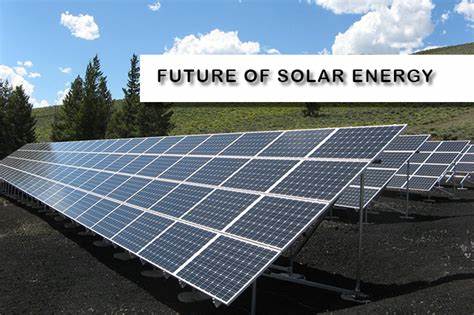
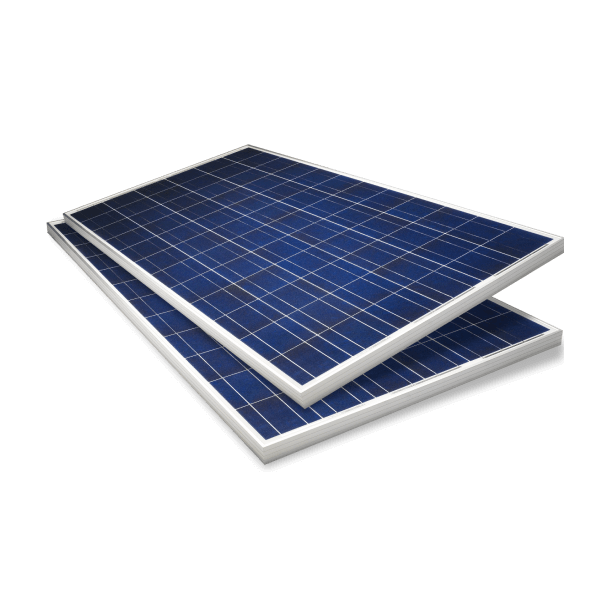
Choose high-quality solar panels that meet your energy needs and budget. In 2024, there are various options available, from traditional silicon-based panels to newer technologies like perovskite and bifacial panels. Consider factors such as efficiency, durability, and warranty when making your selection.
3. Install a Solar Battery Storage System
To ensure a reliable power supply, especially during cloudy days or at night, invest in a solar battery storage system. Batteries store excess energy generated during the day for use when solar production is low. Advances in battery technology, such as lithium-ion and solid-state batteries, have made storage more efficient and affordable.
4. Optimize Your Energy Usage
Maximize the efficiency of your solar system by optimizing your energy usage:
- Energy-Efficient Appliances: Replace old, energy-hungry appliances with energy-efficient models.
- Smart Home Systems: Use smart home systems to monitor and control energy usage, ensuring that you only use electricity when needed.
- Peak Sun Hours: Schedule high-energy tasks, like running the dishwasher or laundry, during peak sun hours to take full advantage of solar power.
5. Consider Off-Grid Living
For those seeking complete energy independence, off-grid living is an option. This involves using solar panels and batteries without relying on the grid. While it requires a larger initial investment and careful planning, off-grid living can provide total autonomy and sustainability.
6. Take Advantage of Incentives
Many governments and local authorities offer incentives for solar energy adoption, such as tax credits, rebates, and grants. Research available programs in your area to reduce the upfront cost of your solar installation and make the transition more affordable.
7. Stay Informed and Adapt
Solar technology and sustainable living practices are continually evolving. Stay informed about new developments and be ready to adapt. Joining local or online communities focused on sustainable living can provide valuable insights, support, and inspiration.


Real-Life Examples
Numerous individuals and communities have successfully transitioned to living sustainably on solar energy. For example:
- Tiny Homes: Many tiny home owners have embraced solar energy to achieve off-grid living. With their minimal energy needs, tiny homes are ideal candidates for solar power, offering a sustainable and cost-effective lifestyle.
- Eco-Villages: Eco-villages around the world are integrating solar energy into their communal living arrangements. These communities demonstrate how solar power can support a sustainable and cooperative way of life.
- Urban Solar Projects: In urban areas, solar panels on rooftops and community solar projects are making clean energy accessible to city dwellers, reducing their carbon footprint and fostering a sense of environmental responsibility.
Conclusion
Living sustainably on solar energy in 2024 is not only feasible but also highly rewarding. By understanding your energy needs, investing in the right solar technology, optimizing usage, and staying informed about the latest advancements, you can significantly reduce your environmental impact and enjoy the benefits of clean, renewable energy. As more individuals and communities make the shift to solar power, we move closer to a sustainable and resilient future for all.






Wp-energiso
May 10, 2023Um mit dem Freischalten, Bearbeiten und Löschen von Kommentaren zu beginnen, besuche bitte die Kommentare-Ansicht im Dashboard.
Die Avatare der Kommentatoren kommen von Gravatar.