

Illuminating a Continent’s Potential
Africa, blessed with abundant sunshine, holds immense potential for solar energy development. However, realizing this potential requires more than just harnessing the sun’s power; it necessitates a robust and resilient solar supply chain. Expanding the solar supply chain in Africa is crucial to overcoming energy challenges, fostering economic growth, and ensuring sustainable development. This blog post delves into the importance of expanding the solar supply chain in Africa and explores the strategies to achieve this goal.
The Importance of Solar Energy in Africa
Africa faces significant energy challenges, with many regions experiencing limited access to reliable electricity. Solar energy presents a viable solution to bridge this gap, offering a clean, renewable, and cost-effective power source. Expanding the solar supply chain in Africa can lead to:
-
Increased Energy Access: By leveraging the continent’s vast solar potential, more communities, especially in remote and rural areas, can gain access to electricity, improving quality of life and economic opportunities.
-
Economic Growth: The development of a solar supply chain can stimulate local economies, creating jobs in manufacturing, installation, maintenance, and beyond.
-
Environmental Benefits: Solar energy reduces reliance on fossil fuels, decreasing greenhouse gas emissions and contributing to global climate goals.
-
Energy Independence: Solar power can help African countries reduce their dependence on imported energy, enhancing energy security and price stability.
Challenges in Expanding the Solar Supply Chain
While the potential is vast, several challenges must be addressed to expand the solar supply chain in Africa effectively:
-
Infrastructure Deficiencies: Inadequate infrastructure, including transportation networks and grid connections, hampers the distribution and installation of solar technologies.
-
Financial Constraints: High upfront costs and limited access to financing options pose significant barriers for both consumers and businesses.
-
Regulatory Hurdles: Inconsistent policies, regulatory frameworks, and bureaucratic red tape can deter investment and slow the growth of the solar industry.
-
Technical Expertise: A shortage of skilled labor and technical expertise in solar technology can impede the installation and maintenance of solar systems.
-
Supply Chain Disruptions: Global supply chain disruptions, such as those seen during the COVID-19 pandemic, can affect the availability and cost of solar components.

Strategies to Expand the Solar Supply Chain
Addressing these challenges requires a multifaceted approach involving governments, private sector stakeholders, and international partners. Key strategies include:
-
Investing in Infrastructure: Developing robust transportation and grid infrastructure is essential to facilitate the distribution and installation of solar technologies. This includes building roads, enhancing grid connectivity, and developing off-grid solutions for remote areas.
-
Enhancing Access to Financing: Governments and financial institutions can collaborate to create innovative financing solutions, such as microloans, pay-as-you-go models, and subsidies, to make solar energy more affordable for consumers and businesses.
-
Streamlining Regulations: Simplifying regulatory frameworks and providing clear, consistent policies can encourage investment in the solar sector. Governments can implement incentives, tax breaks, and streamlined permitting processes to attract solar developers.
-
Building Technical Capacity: Investing in education and training programs to develop a skilled workforce is crucial. Partnerships with universities, technical schools, and international organizations can help build local expertise in solar technology.
-
Promoting Local Manufacturing: Encouraging the development of local manufacturing capabilities for solar components can reduce dependence on imports and create jobs. Governments can support this through subsidies, tax incentives, and public-private partnerships.
-
Leveraging International Cooperation: Collaborating with international partners, including development agencies, non-governmental organizations, and private investors, can bring in technical know-how, funding, and best practices to bolster the solar supply chain.
Success Stories and Case Studies
Several African countries have made significant strides in expanding their solar supply chains. For instance:
-
Kenya: Kenya has become a leader in off-grid solar solutions, with companies like M-KOPA Solar providing affordable solar home systems through innovative financing models.
-
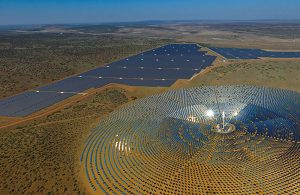
South Africa: South Africa has developed a robust solar industry, driven by favorable policies and investment incentives, resulting in large-scale solar projects and local manufacturing capabilities.
-
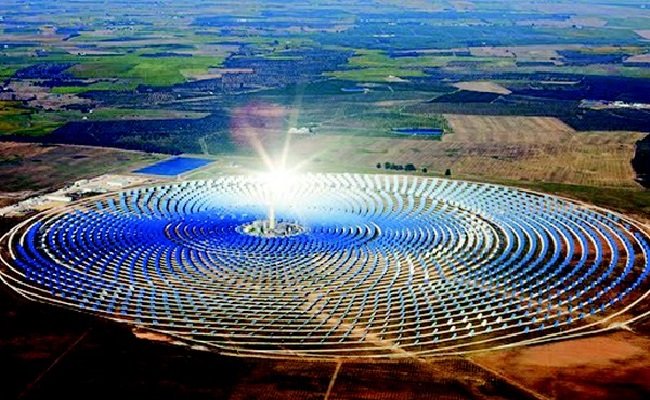
Morocco: Morocco’s Noor Ouarzazate Solar Complex, one of the largest concentrated solar power plants in the world, showcases the potential for large-scale solar projects in Africa.
Conclusion
Expanding the solar supply chain in Africa is a crucial step towards unlocking the continent’s vast solar potential. By addressing infrastructure, financial, regulatory, and technical challenges, African nations can harness the power of the sun to drive economic growth, improve energy access, and contribute to global sustainability efforts. With the right strategies and collaborative efforts, the future of solar energy in Africa shines brightly, offering a path to a more prosperous and sustainable future for all.






Wp-energiso
May 10, 2023Um mit dem Freischalten, Bearbeiten und Löschen von Kommentaren zu beginnen, besuche bitte die Kommentare-Ansicht im Dashboard.
Die Avatare der Kommentatoren kommen von Gravatar.